Trail Guides & Safety

Hiking the Canadian Rockies

Trail-level detail on routes, elevation, gear requirements, and the safety decisions that matter most when you're far from a trailhead. Covering Banff, Yoho, Jasper, and Kananaskis.

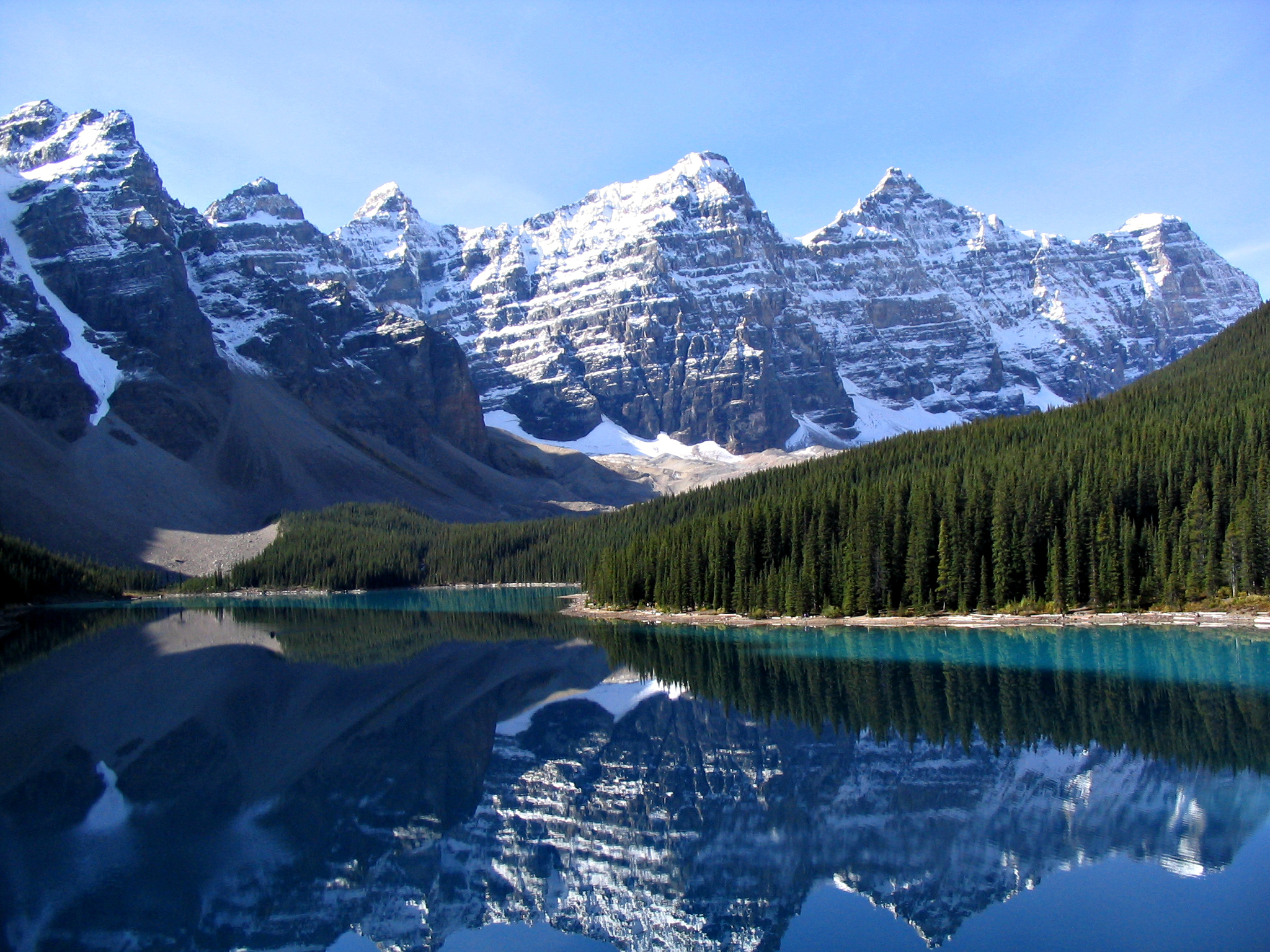
Valley of the Ten Peaks and Moraine Lake, Banff National Park, Alberta, Canada

Recent Articles

Giant Steps waterfall in Paradise Valley, Banff National Park
Alberta

Banff Trail Guide: Paradise Valley and the Giant Steps

A full-day circuit connecting Annette Lake, Paradise Valley, and the Giant Steps waterfall — 22 km of varied terrain with sustained elevation gain above treeline.

Updated May 2026 · 22 km · Strenuous

Read guide →
Iceline Trail, Yoho National Park, British Columbia, Canada
British Columbia

Yoho Iceline Trail: Navigation and Conditions

The Iceline Trail traverses open glacial moraine above the Yoho Valley. Route-finding above Celeste Lake requires attention to cairns and early-season snow patches.

Updated May 2026 · 21 km · Challenging

Read guide →
Female hiker on Grassi Lakes Trail, Canmore, Alberta
Safety & Gear

Backcountry Safety: Gear Checklist and Risk Protocols

What to carry, how to read weather windows in alpine terrain, and the decision frameworks Parks Canada rangers use when conditions deteriorate.

Updated May 2026 · Essential reading

Read guide →

Planning Your Route

Trail Conditions

High passes in the Rockies typically open between late June and early July. Snow can persist on north-facing slopes well into August. Check Parks Canada's trail condition reports before departure.

🌟

Wildlife Awareness

Grizzly and black bears are active throughout Alberta and BC backcountry. Carry bear spray, make noise on blind corners, and store food in bear canisters at designated campsites.

Weather Windows

Afternoon thunderstorms are common above treeline from July through September. Aim to reach high exposed ridges before noon and descend when cumulus clouds begin building.

🕒

Permits and Reservations

Backcountry campsites in national parks require a Wilderness Pass plus a campsite reservation. Both are available through Parks Canada's reservation system at reservation.pc.gc.ca.

🗻

Navigation Basics

GPS tracks are useful references, but carry a 1:50,000 topographic map and compass as backup. Cell coverage is unreliable above valley floors in most mountain national parks.

📋

Leave No Trace

Camp on durable surfaces 70 m from water, pack out all waste, and avoid shortcutting switchbacks. Fragile alpine vegetation in the Rockies can take decades to recover from off-trail travel.

Where to Hike

🏔

Banff National Park

Canada's oldest national park covers 6,641 km² in Alberta. The park has over 1,600 km of maintained trails, ranging from short valley walks to multi-day backcountry circuits. Key hubs: Lake Louise, Sunshine Village, and Bow Valley Parkway.

Yoho National Park

Situated in British Columbia just west of the Continental Divide, Yoho is compact but dense with dramatic terrain. The Yoho Valley, Emerald Lake, and the Iceline Trail are the main backcountry draws.

🌄

Jasper National Park

The largest Rocky Mountain national park at 11,228 km² offers remote multi-day routes with genuine wilderness character. The Tonquin Valley and Skyline Trail are two of the most sought-after backcountry itineraries in Canada.

🌳

Kananaskis Country

A provincial recreation area southwest of Calgary offering a wide range of difficulty levels. The Peter Lougheed Provincial Park section has excellent trail infrastructure and is a practical starting point for those new to Rocky Mountain backcountry.

Get in Touch

Questions about trail conditions, gear recommendations, or route suggestions for specific objectives in the Canadian Rockies.

info@dailyridge.org
Information on this site is provided for general guidance only. Trail conditions change rapidly. Always consult Parks Canada and local ranger stations before heading into the backcountry.
Your request has been submitted.